

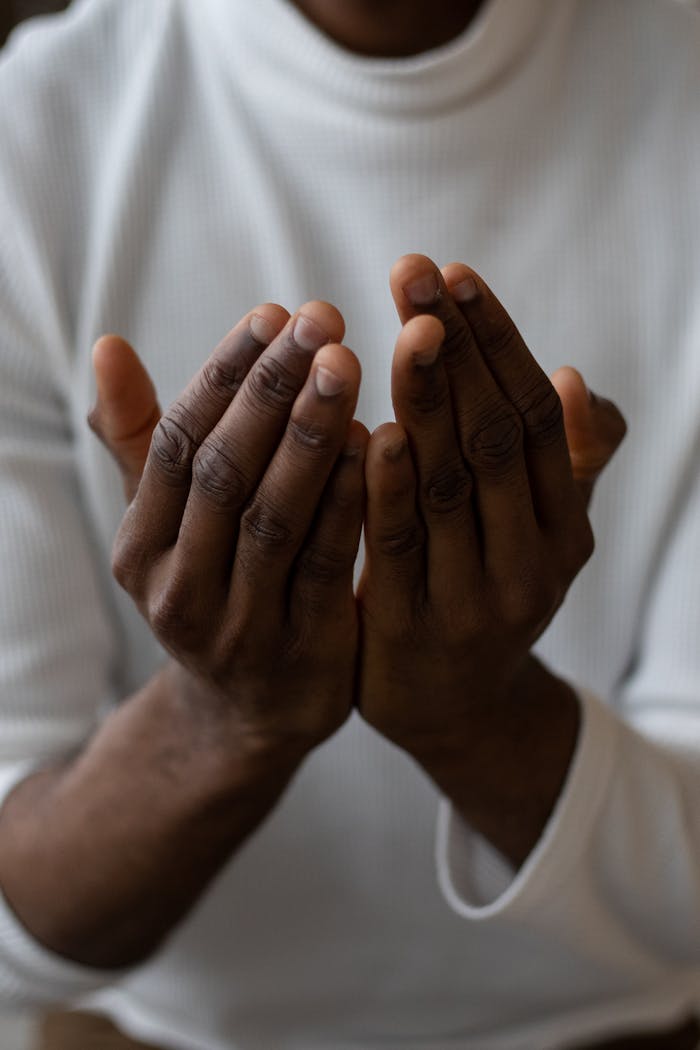
Explore how faith, gratitude, meditation, and prayer nurture spiritual wellbeing and support mental health, recovery, and emotional resilience.
Spiritual Wellbeing: Faith, Gratitude, Meditation, and Prayer in Mental Health and Recovery
In a world that often feels overwhelming, many of us search for ways to find peace, meaning, and resilience. While therapy, medicine, and lifestyle changes are vital in supporting mental health, there’s another dimension that often gets overlooked: spiritual wellbeing.
Spiritual practices such as faith, gratitude, meditation, and prayer can provide a powerful foundation for emotional balance, recovery, and overall wellbeing. They don’t replace professional care, but they can complement it, helping us cultivate inner strength and a sense of connection that goes beyond ourselves.
Faith: Anchoring in Hope
Faith, whether rooted in religion or a personal sense of higher purpose, offers a framework for hope and resilience. For many, faith provides:
- Meaning in hardship: Believing that challenges have purpose can reduce feelings of despair.
- Strength in recovery: Faith traditions often emphasize patience, perseverance, and healing.
- Community support: Religious or spiritual communities can provide belonging, reducing isolation.
Faith doesn’t eliminate struggle, but it can transform how we experience it, shifting the focus from “Why me?” to “How can I grow through this?”
Gratitude: Reframing the Mind
Gratitude is more than saying “thank you”, it’s a mindset that shifts attention from what’s missing to what’s present. Research shows that gratitude practices can:
- Reduce symptoms of depression and anxiety
- Improve sleep and overall mood
- Strengthen relationships by fostering appreciation
Simple practices like writing down three things you’re grateful for each day can rewire the brain toward positivity. In recovery, gratitude helps us notice progress, however small, and celebrate resilience.
Meditation: Finding Stillness in Chaos
Meditation is a practice of quieting the mind and cultivating awareness. It has been shown to:
- Lower stress and cortisol levels
- Improve focus and emotional regulation
- Increase compassion toward self and others
For those navigating mental health challenges, meditation offers a pause, a chance to step back from racing thoughts and reconnect with the present moment. Even five minutes of mindful breathing can create space for calm and clarity.
Prayer: A Dialogue of the Heart
Prayer, across traditions, is more than ritual, it’s a form of connection. Whether spoken, silent, or written, prayer can:
- Provide comfort during uncertainty
- Foster a sense of being heard and supported
- Encourage reflection and release of burdens
For many, prayer is a way of processing emotions, finding strength, and cultivating hope. It can be deeply personal or shared in community, reminding us that we are not alone in our struggles.
Spiritual Wellbeing and Mental Health
So how do these practices connect to mental health and recovery?
- Resilience: Spiritual practices build inner strength, helping us cope with stress and setbacks.
- Identity and purpose: Faith and gratitude remind us that we are more than our struggles.
- Emotional regulation: Meditation and prayer calm the nervous system and reduce anxiety.
- Connection: Spirituality often fosters community, reducing loneliness and isolation.
When integrated with therapy, medication, or other treatments, spiritual wellbeing can be a powerful ally in recovery.
Addressing Loneliness and Isolation
One of the greatest challenges to mental health is social isolation. Spiritual practices can help bridge this gap:
- Faith communities provide belonging and shared rituals.
- Gratitude journaling can shift focus from absence to presence.
- Meditation groups or prayer circles create connection, even virtually.
By nurturing spiritual wellbeing, we create pathways out of loneliness and toward connection, with ourselves, others, and something greater.
Bringing It All Together
Spiritual wellbeing isn’t about perfection or rigid routines, it’s about small, intentional practices that nourish the soul. Some days, that might mean a heartfelt prayer; other days, a few minutes of meditation or jotting down gratitude in a journal.
What matters is consistency and openness. Over time, these practices can transform not only how we cope with challenges but also how we experience joy, meaning, and connection.
Closing Thoughts
Mental health and recovery are complex journeys, but spirituality offers a gentle companion along the way. Faith anchors us in hope, gratitude reframes our perspective, meditation brings calm, and prayer connects us to something greater. Together, they nurture resilience, emotional wellbeing, and healing.
So tonight, take a moment, breathe deeply, whisper a prayer, or write down one thing you’re grateful for. These small acts of spiritual care may be the most powerful steps you take toward balance and peace.